
Ruxolitinib 30 gm cream
Ruxolitinib is a generic version of Jakafi/Jakavi
Used for myelofibrosis, polycythemia vera, and GVHD. Taken twice daily. It works by blocking JAK1/JAK2 pathways, reducing abnormal blood-cell production and inflammation. Effects occur mainly in bone marrow and immune-related tissues.
Ruxotor is approved for use in adults for the treatment of
Myelofibrosis (MF)
Polycythemia Vera (PV)
Graft-Versus-Host Disease (GVHD) – acute or chronic
Ruxotor is also approved for use in adults and in children 12 years of age and older with GVHD that has not responded adequately to corticosteroids or prior systemic therapy.
Before taking Ruxotor, important information you should be careful
Ruxotor provides a Patient Information Leaflet on the site for full safety and usage instructions.
The website lists possible side effects, including low blood counts, infection risk, increased cholesterol, heart attack, stroke, bruising, dizziness, headache, and diarrhea.
Ruxotor is a prescription medication, meaning it must be taken under the guidance of a healthcare professional.
The site explains that Ruxotor works by inhibiting JAK1 and JAK2, which are part of immune and inflammation pathways.
The website details the conditions Ruxotor is approved to treat, including MF, PV, and GVHD.
Users are instructed to rely on the leaflet and their healthcare provider for full safety warnings, as the website does not list specific “tell your doctor if you…” items.
How to Take Ruxotor
Ruxotor is provided in tablet form in multiple strengths.
It is a prescription-only medication, so dosing and directions must come from a healthcare provider.
The Ruxotor website instructs users to read the Patient Information Leaflet for complete instructions on how to take it.
The website does not provide specific directions such as food instructions, swallowing instructions, or dosing frequency.
Common Side Effects of Ruxotor
Low blood counts
Increased risk of infections
Increased cholesterol levels
Heart attack or stroke (in certain circumstances)
Bruising
Dizziness
Headache
Diarrhea
If you want this rewritten for a website section or formatted differently, I can do that.
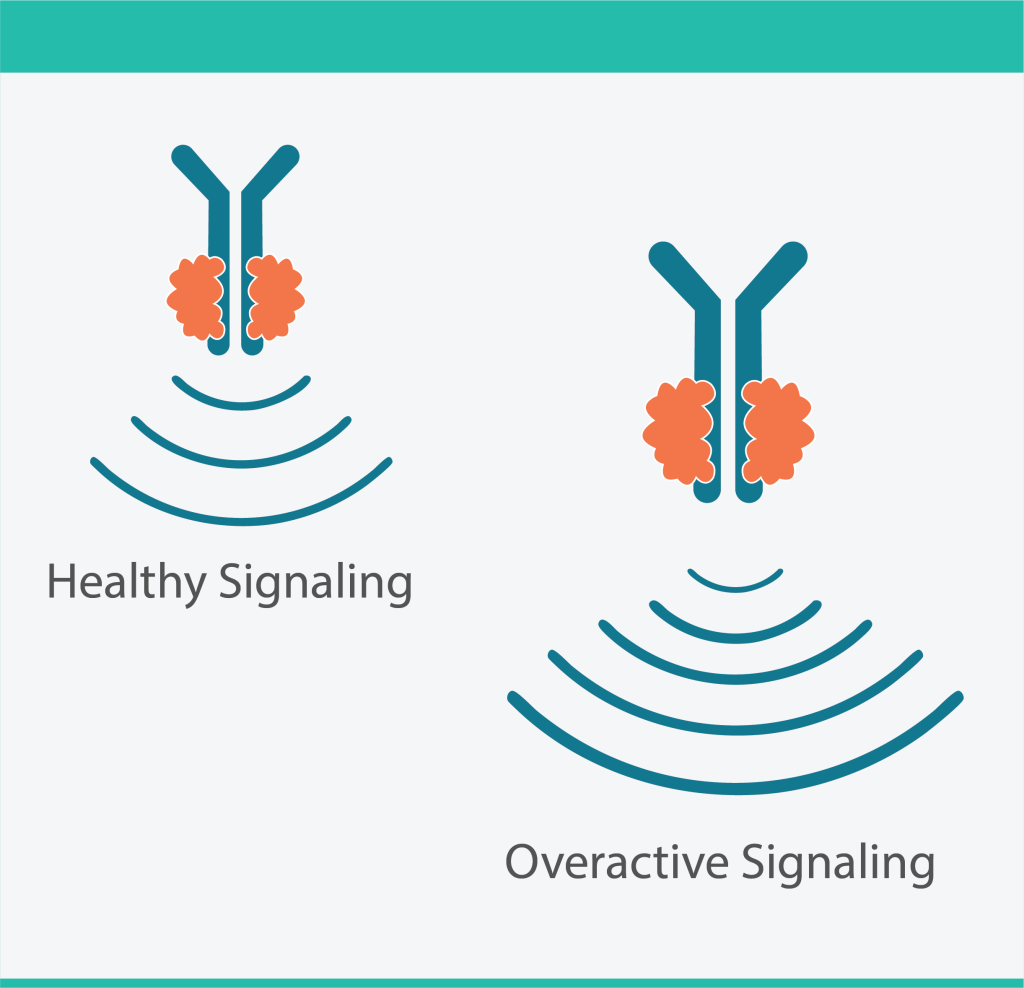
What causes PV?
Janus kinases, or JAKs proteins send signals that affect the production of blood cells in the bone marrow. Evidence suggests that when there is a mutation of the Janus kinase 2 (JAK2) gene, it sends too many signal, causing the bone marrow to make too many blood cells. This is called overactive signaling. Overactive JAK signaling is a key contributor to the development of PV. Even if you don’t have the JAK2 mutation, you still can have PV.
Splenomegaly (an enlarged spleen)
Janus kinases, or JAKs proteins send signals that affect the production of blood cells in the bone marrow. Evidence suggests that when there is a mutation of the Janus kinase 2 (JAK2) gene, it sends too many signal, causing the bone marrow to make too many blood cells. This is called overactive signaling. Overactive JAK signaling is a key contributor to the development of PV. Even if you don’t have the JAK2 mutation, you still can have PV.
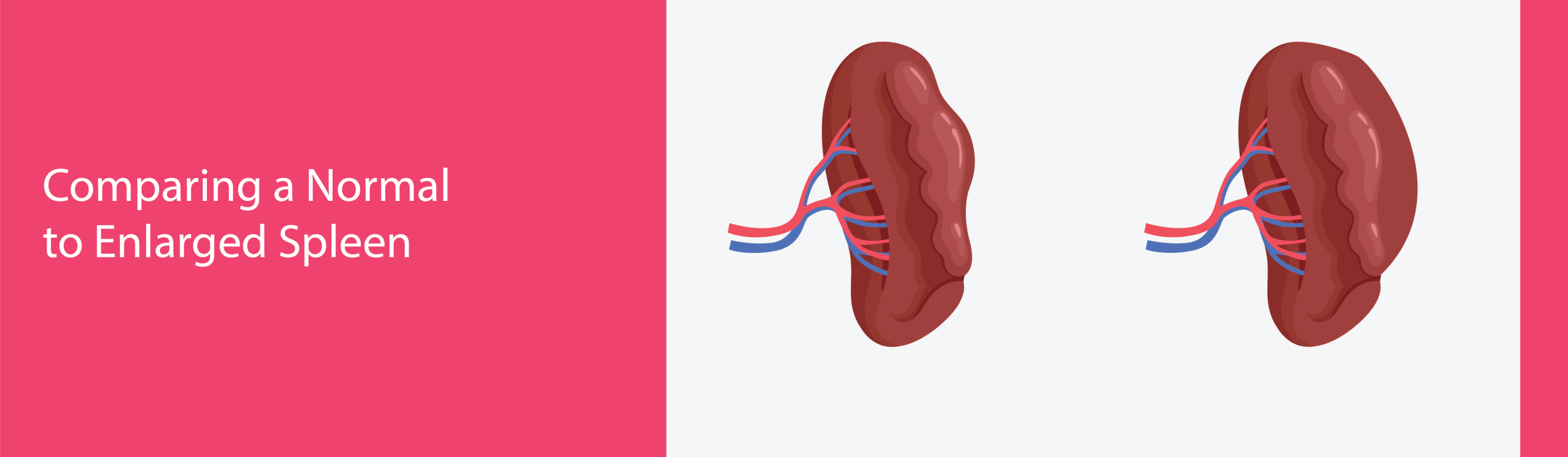
In PV, the bone marrow produces too many red blood cells, white blood cells, and platelets. As a result of the increased number of blood cells caused by PV, your spleen works harder than normal. This may cause the spleen to get bigger—a condition called splenomegaly. So an enlarged spleen may also be a sign of disease progression.
Risk factors
Sex
Men are slightly more likely than
women to develop the condition.
Environment
Exposure to intense radiation may
increase the risk for the condition.
It has also been suggested that
exposure to toxic substances may
increase risk for PV.
Age
People older than 60 are most
likely to develop the condition,
though it may occur at any age.
JAK2 mutation
Approximately 95% of all PV
patients have a mutation of the
JAK2 gene in their blood-forming
cells. This mutation leads to
hyperactive JAK (Janus kinase)
signaling, causing the body